 Kingdom Kutz Media
Culture
The Book of Enoch: What Genesis 6 Never Explains
Genesis gives the sons of God and the Nephilim just four verses before moving on to Noah. The Book of Enoch is the ancient text that told the first readers what those verses assumed they already knew.

Genesis 6 spends four verses on it. The sons of God saw the daughters of men, took wives of all they chose, and giants walked the earth. No names, no explanation, and twelve verses later the flood arrives like the story never paused. Anyone reading it today is left with a question the text never bothers to answer: who exactly were the sons of God, and why did their choice matter enough to help trigger a flood that wiped out almost everything?
The first people to read Genesis 6 were not confused by it. Another book filled in what Moses left out, in far more detail than four verses could hold. That book is called Enoch, and for most of church history it sat just outside the Bible you own today, quoted by an apostle, defended by early church fathers, and eventually left off the list.
What Does Genesis 6 Actually Say?
The text is short on purpose. "The sons of God saw the daughters of men that they were fair; and they took them wives of all which they chose" (Genesis 6:2). A few verses later, giants called the Nephilim are already on the earth, described as mighty men of old, men of renown. Then comes the verse that explains the flood itself: God saw that the wickedness of man was great, and that every imagination of his heart was only evil continually.
Genesis assumes its audience already knows who the sons of God were. Enoch is the book that tells you.
Who Were the Watchers, and What Was Their Oath?
Enoch names them the Watchers, angels originally assigned to observe humanity from a distance, the way a guard stands at a wall he is never meant to cross. Two hundred of them, led by one named Semjaza, cross it anyway. On a ridge of Mount Hermon they bind themselves by an oath, all two hundred agreeing together that they will descend, take human wives, and become fathers on an earth that was never built to hold them. Every oath like it gets remembered by the place it happened, and Hermon becomes shorthand for exactly that kind of vow.
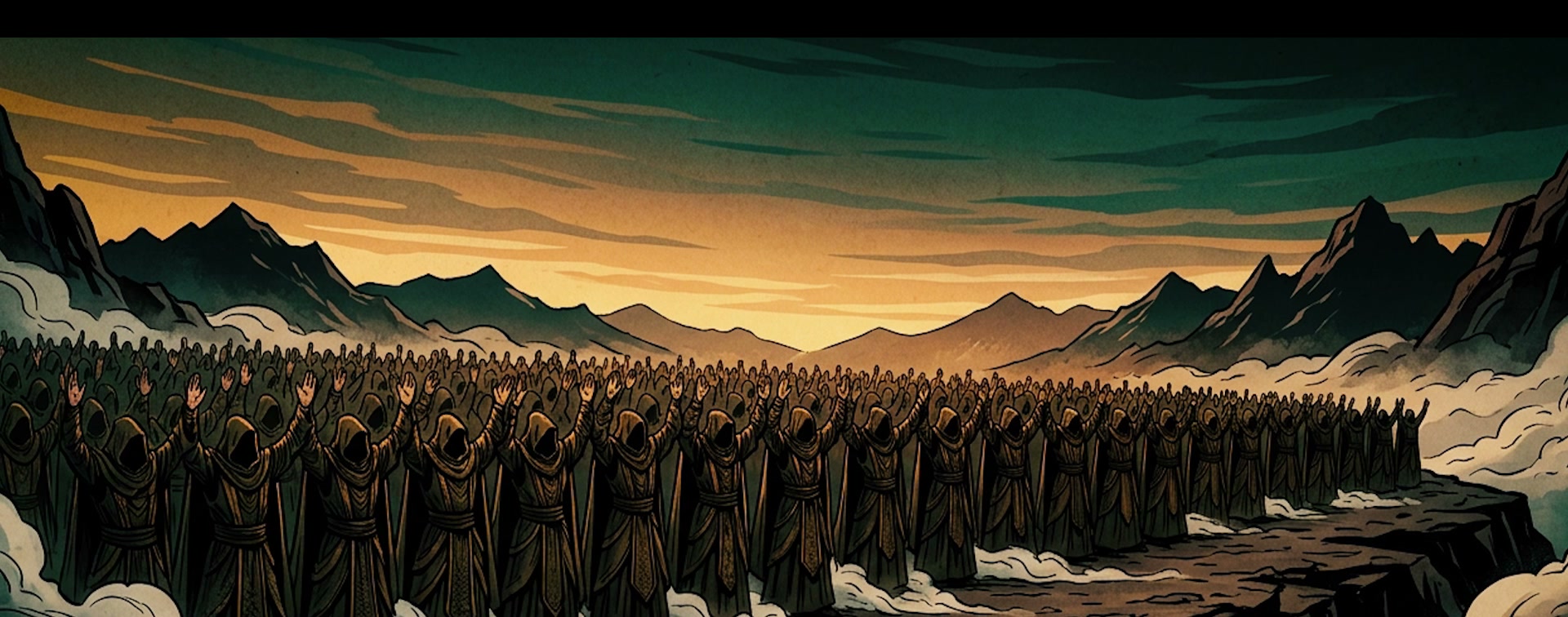
Genesis compresses the vote into a single sentence: they took them wives of all which they chose. Whatever hesitation existed lasted exactly as long as it takes to say yes.
What Did the Watchers Teach Humanity?
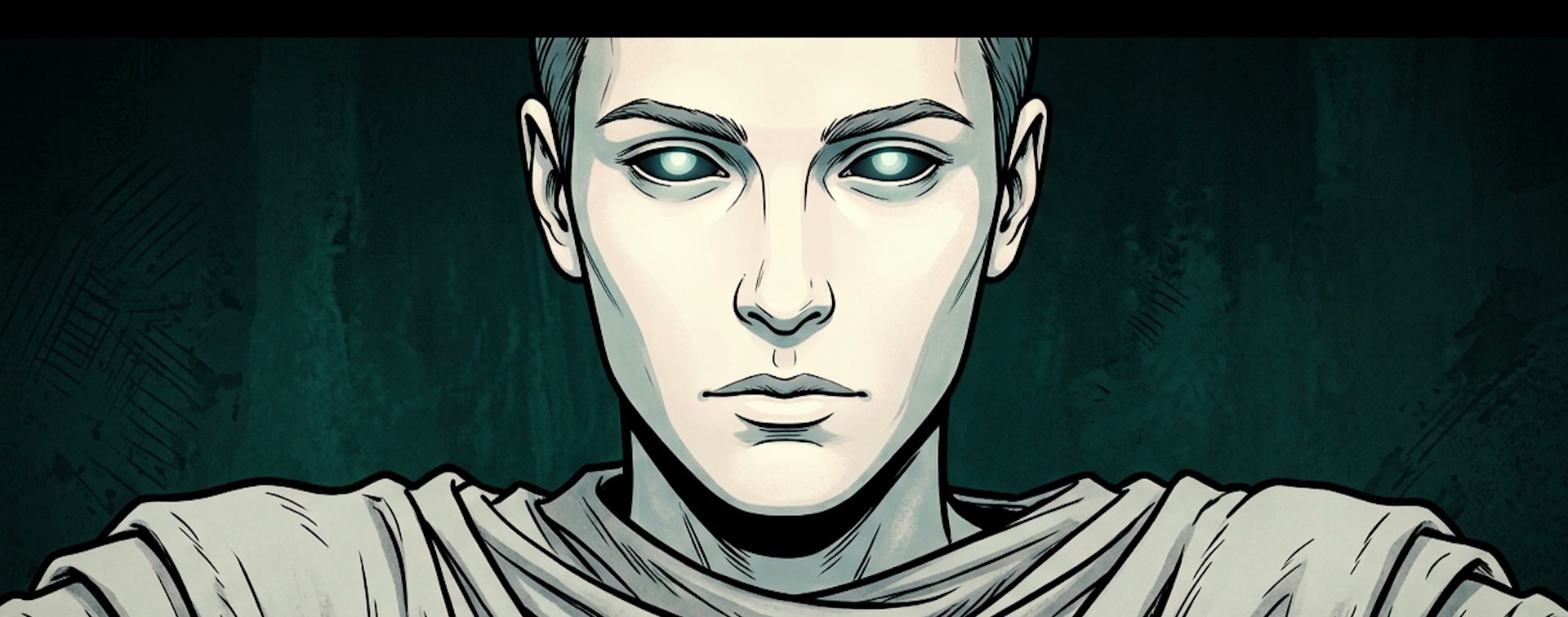
The oath was only the beginning. Enoch says the Watchers did not just marry into the human family, they taught it. Azazel goes first, showing men how to forge swords and shields, turning a trade into what the text calls the machinery of killing. He teaches women the arts of adornment, paint and ornament, until beauty becomes another kind of weapon. The rest follow his lead: one teaches enchantments and root-cutting, one reads the stars and calls it wisdom, others read clouds, the earth, the sun, the moon. None of it is neutral. It is knowledge handed to a species that was not ready for it, by teachers who had no right to give it away.
Who Were the Nephilim, and Why Does It Matter?
What is born from a Watcher and a human woman does not stay small. Genesis calls them the Nephilim, giants whose appetite outgrows human food fast. Enoch fills in what Genesis leaves out: they eat everything humanity can grow, then turn on the humans who grew it, then on the animals, then on each other. Whole regions empty out ahead of them, farmers abandoning fields they can no longer defend. What began as one broken oath on one mountain becomes, within a few generations, a crisis no single family can solve. That is the unraveling Genesis compresses into a single cold sentence about the wickedness of man being great in the earth. Now the sentence has a source.
For if God spared not the angels that sinned, but cast them down to hell, and delivered them into chains of darkness, to be reserved unto judgment2 Peter 2:4 (KJV)
Why Did Enoch Climb the Mountain?
Somewhere in the unraveling, the Watchers realize what they have done cannot be undone by wishing, and they do something that should surprise you: they do not run. They send an envoy, one last appeal to the one being who could still change the verdict, and they send it to Enoch, a man Genesis says simply walked with God and then was not, because God took him. Before that ending Enoch has one more errand to run. Scribe of righteousness, messenger for angels who have run out of options. The condemned Watchers beg him to carry their case upward, to tell God they are sorry.
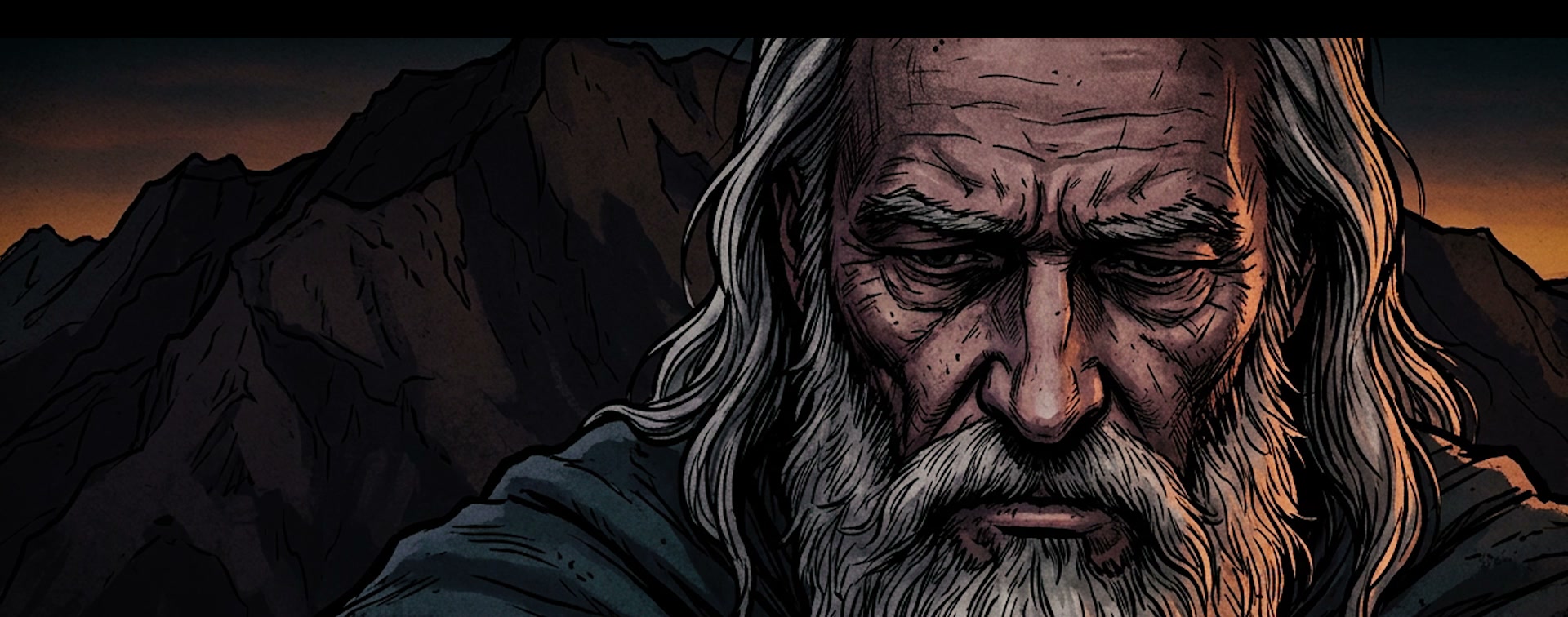
Enoch climbs. He sees what a human being was never meant to see, and when he comes back down, he comes back with an answer that is not the one they were hoping for. No pardon. The sentence stands.
What Happened to the Watchers and the Nephilim?
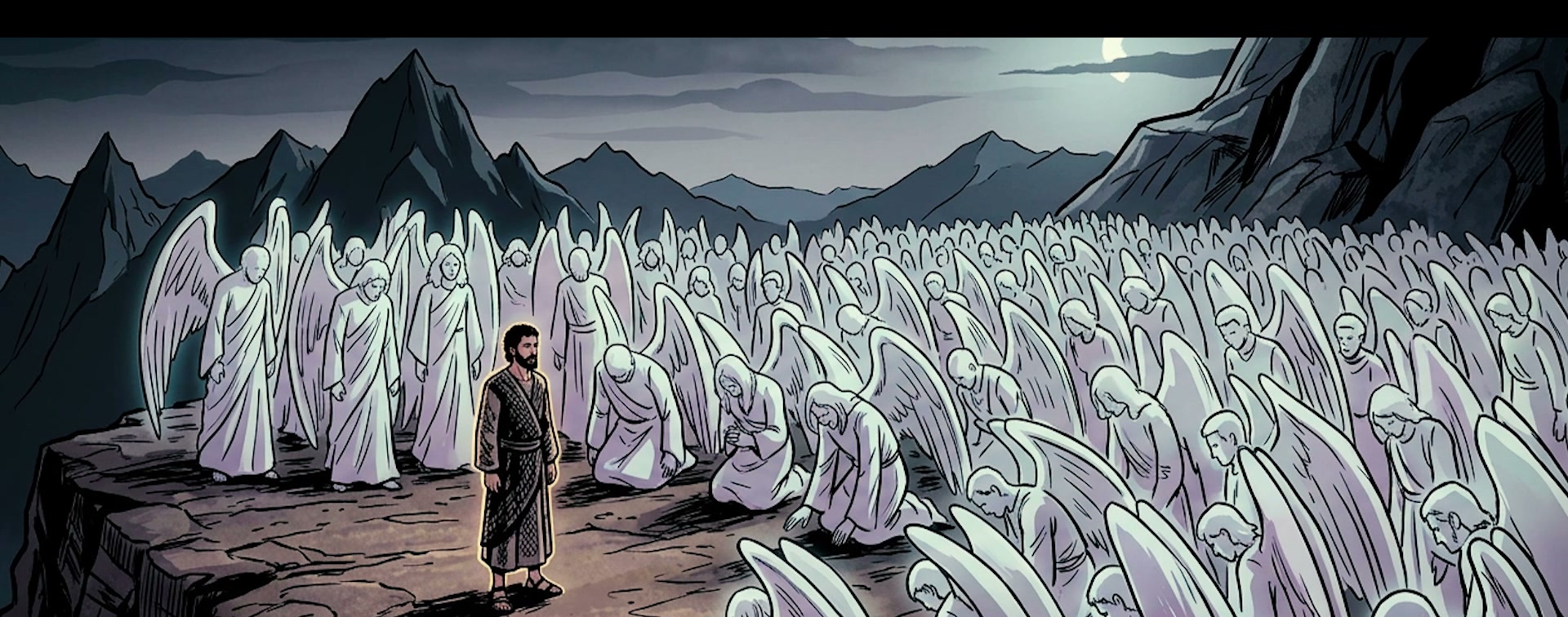
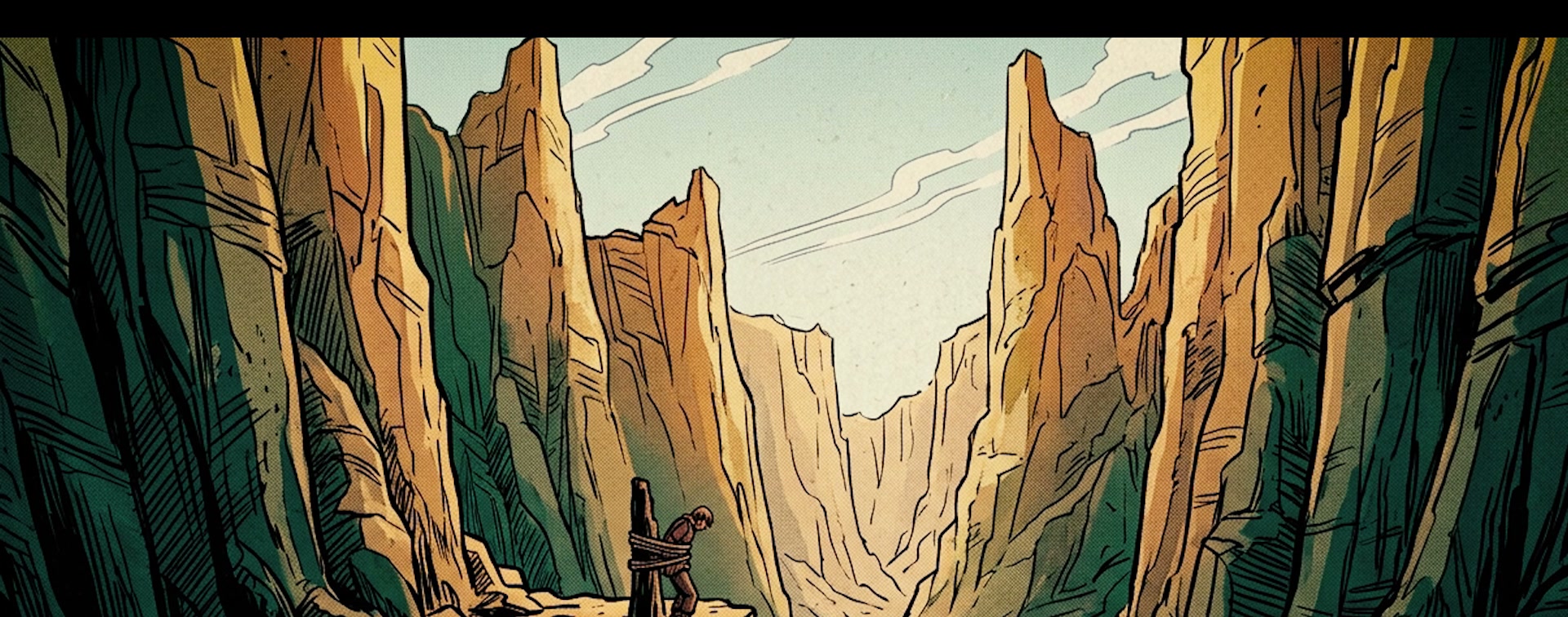
Judgment, once it lands, does not arrive halfway. Enoch names an angel, Raphael, given the specific task of binding Azazel, and the sentence reads like a location more than a punishment: an opening in the desert, jagged rock, his face covered so no light reaches him, held there for a judgment still to come. The rest of the Watchers face their own binding beside him. The Nephilim do not last much longer, some destroyed turning on each other, the rest swept away when the flood Noah spent 120 years preparing for finally comes for everyone.
Why Isn't the Book of Enoch in My Bible?
Not because anyone buried it in secret. The early church argued about it in the open. Tertullian defended its authority in writing. Generations later, Augustine dismissed it as unreliable, and one by one the traditions that became the Bible you own left it out, largely because no one could confirm the Enoch of Genesis actually wrote it himself. GotQuestions.org lays out the case plainly: the book is worth reading as history, not as inspired Scripture alongside the 66 books Protestants and Catholics both recognize.
One church never let it go. Isolated by geography from the councils that made those calls elsewhere, the Ethiopian Orthodox Tewahedo Church kept Enoch as Scripture, and it survives complete today in only one place, translated into Ge'ez, an ancient Ethiopic language. Nowhere else on earth holds the full text.
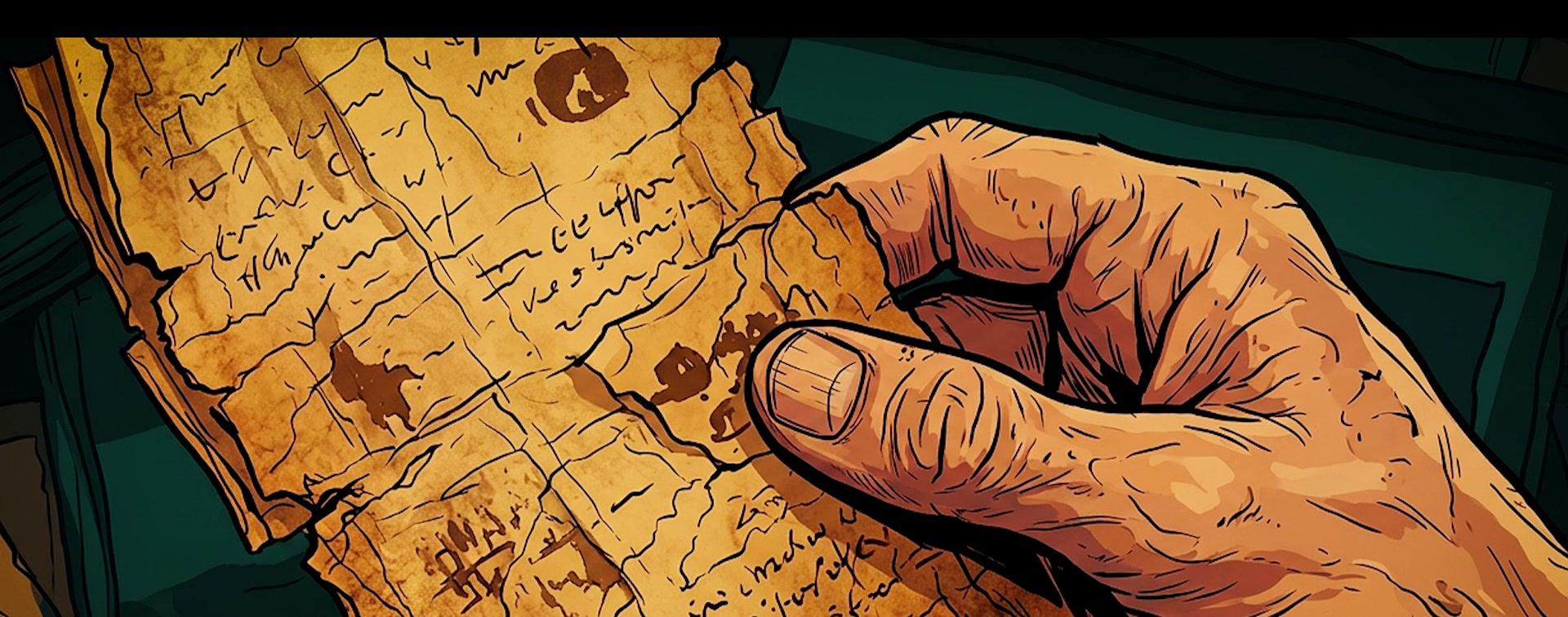
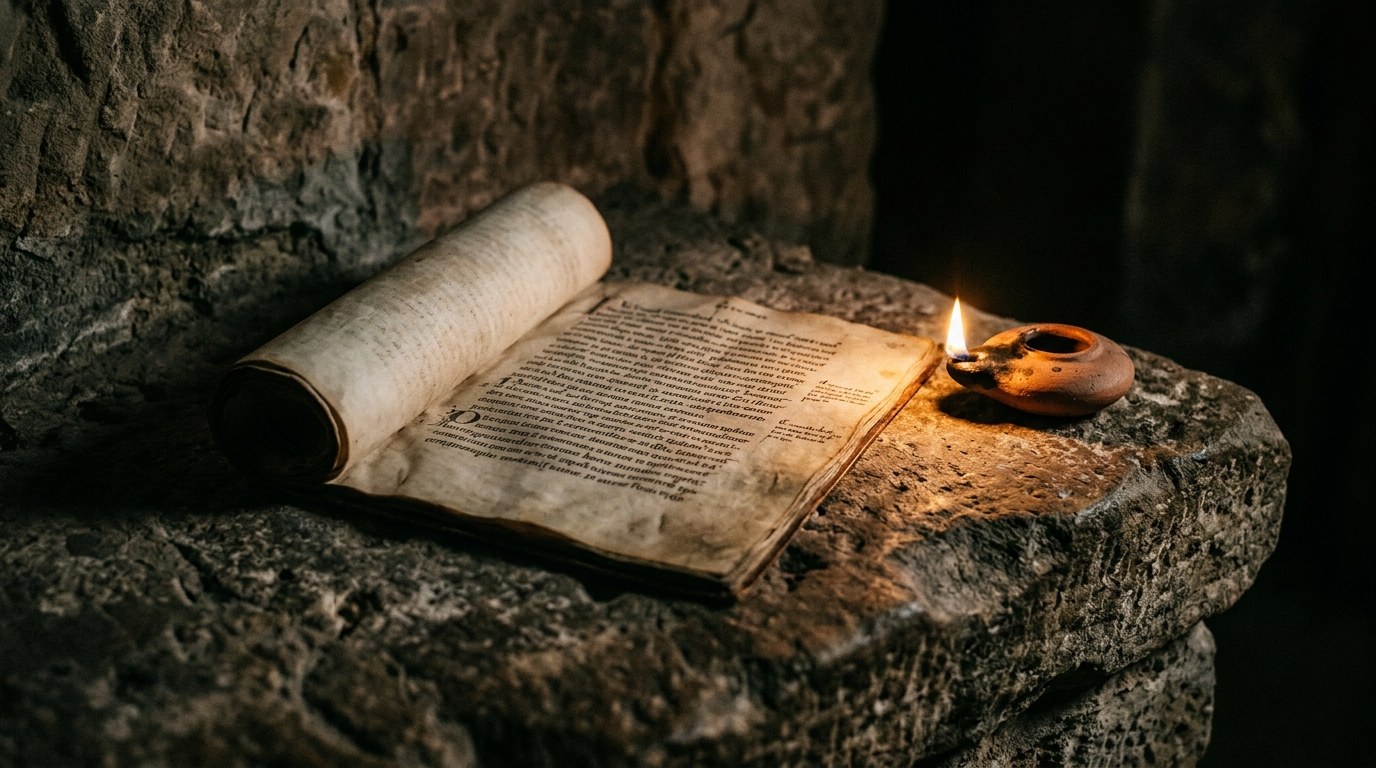
None of this is modern invention. In the caves above the Dead Sea, archaeologists found eleven separate Aramaic copies of the Book of Enoch among the scrolls at Qumran, fragments old enough that the Biblical Archaeology Society dates the underlying text to roughly the third century BC through the turn of the era, centuries before Christ was born. Whoever first wrote it down was not speculating. They were recording what their community already treated as settled history.
What Does the New Testament Say About Enoch?
Two New Testament writers, working independently of each other, describe this same judgment from two different angles. Jude names his source outright: "Enoch also, the seventh from Adam, prophesied of these, saying, Behold, the Lord cometh with ten thousands of his saints" (Jude 1:14). Peter does not name Enoch, but he does not need to, since 2 Peter 2:4 describes the same angels cast down and delivered into chains of darkness, reserved unto judgment. Reserved, not finished. Present tense. A sentence handed down, and a sentence not yet carried out.
KKM's new film, The Book of Enoch: What Genesis 6 Isn't Telling You About the Watchers, walks through the full story frame by frame, from the oath on Hermon to the binding in the desert to the Dead Sea Scrolls that confirmed the text was real history to the people who first copied it. It is the fuller telling behind everything summarized above, built to be watched alongside Genesis 6 itself.
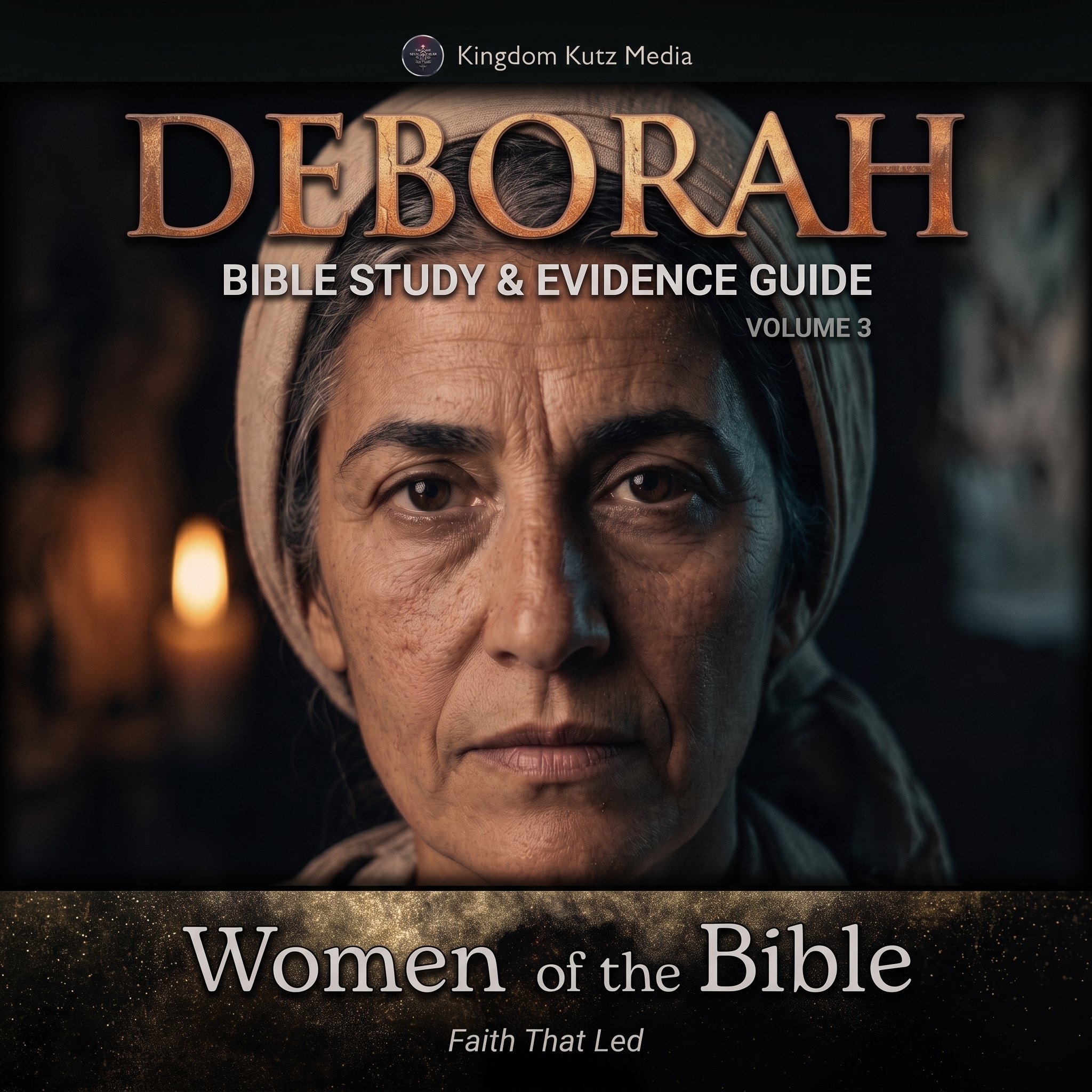
Deborah: Faith That Led
30 pages of real archaeology, Hebrew word study, a 7-day reading plan, and reflection on Deborah's story in Judges 4 and 5.
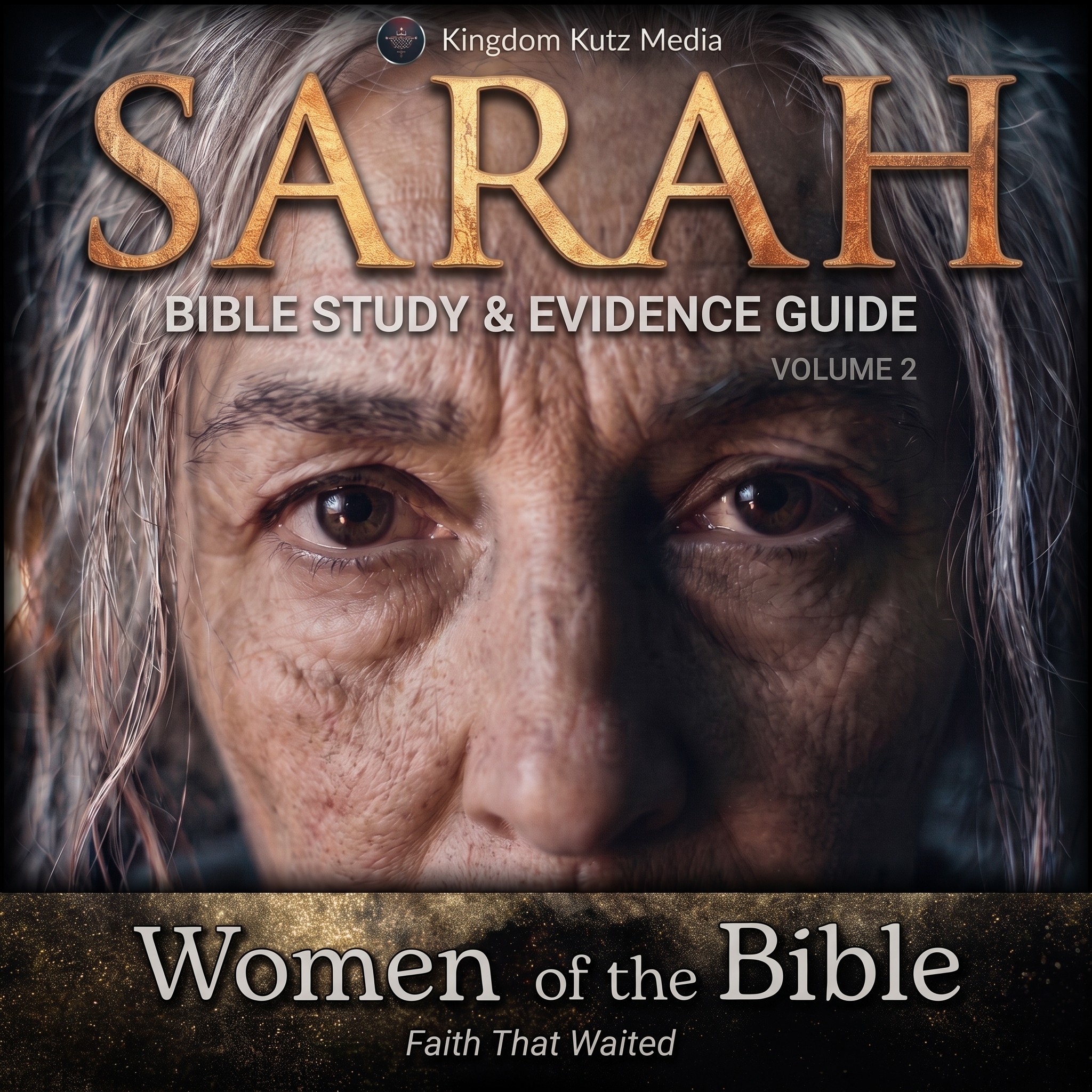
Sarah: Faith That Waited
29 pages of real archaeology, Hebrew word study, a 7-day reading plan, and reflection on Sarah's story in Genesis.
Hagar: The God Who Sees Me
25 pages of real archaeology, Hebrew word study, and reflection on Hagar's story in Genesis.
Key Takeaways
- Genesis 6 gives only four verses to the sons of God and the Nephilim because its first readers already knew the fuller story from the Book of Enoch.
- Enoch describes 200 Watchers binding themselves by oath on Mount Hermon to take human wives, led by Semjaza, with Azazel teaching forbidden knowledge of weapons and adornment.
- The Nephilim, offspring of the Watchers, grew violent enough that Genesis later says the wickedness of man was great in the earth.
- Enoch himself carried the Watchers' appeal to God and returned with a verdict of judgment, not pardon.
- Eleven Aramaic copies of Enoch were found among the Dead Sea Scrolls, and Jude quotes the book by name in the New Testament.
- The Book of Enoch was never canonized by most of the church, but the Ethiopian Orthodox Tewahedo Church still holds it as Scripture today.
🙏 Pray With Us
Lord, keep us from chasing knowledge or shortcuts You never meant for us to have, and give us the humility to trust the boundaries You set even when we don't fully understand them. Draw the nation back to reverence for Your Word, the parts we read every week and the parts history nearly forgot.

The Book of Enoch: What Genesis Isn't Telling You About the Watchers ft @WhatTheBibleSaysaboutkkm
▶ Watch NowSources
Popular right now: Why Does the Bible Say Not to Eat Pork?
Support Our Mission
If these stories strengthen your faith, help us keep making them, every gift goes directly into producing more Bible stories, evidence, and prophecy content.
❤ Support Our WorkMore from Kingdom Kutz Media: All news · Daily Bible Verse · Our YouTube channel
Comments
Loading comments...