 Kingdom Kutz Media
Questions
Who Wrote the Bible?
One book, forty writers, fifteen hundred years, and somehow it still reads like a single story.
The Bible was written by more than 40 human authors, kings, shepherds, prophets, fishermen, a physician, and a tax collector, over roughly 1,500 years. Christians believe God inspired every writer through the Holy Spirit, so the words are fully human and fully God-breathed. That dual authorship is why 66 separate books tell one unified story.

Open the Bible to Genesis and then flip to Revelation, and you have crossed more than a thousand years and dozens of different writers. Yet the story holds together. That is not an accident, and it is the first thing worth understanding about where this book came from.
Who Actually Held the Pen?
More than 40 different people wrote the 66 books of the Bible over a span of roughly 1,500 years, from around 1400 BC to the late first century AD. They were not a committee of professional theologians. Moses had been a shepherd. Amos worked as a fig farmer. Matthew collected taxes for Rome. Peter and John fished the Sea of Galilee for a living. Luke practiced medicine. Paul stitched tents. David ruled a kingdom and still found time to write poetry. Their backgrounds could hardly be more different, and that is the point. GotQuestions.org catalogs each of these writers book by book, and the range of jobs and social classes is striking on its own. Some books, like the Psalms, gather work from multiple writers across generations. Others, like Paul's letters, were dictated to a scribe in real time and still carry Paul's own voice and argument style. A few, like the early chapters of Genesis, describe events no human witnessed firsthand, which is exactly where Christians believe direct revelation from God filled the gap.
What Language Was the Bible First Written In?
Almost entirely Hebrew, Aramaic, and Greek. Most of the Old Testament was written in Hebrew, with a handful of passages in Aramaic, the everyday language spoken across parts of the ancient Near East during and after the Babylonian exile. The entire New Testament was written in Koine Greek, the common trade language of the first-century Mediterranean world, which helped the gospel spread quickly across the Roman Empire. None of it was originally written in English or Latin, which is why careful translation work has mattered to the church since its earliest centuries and still matters to Bible scholars today.
Did God Write It, or Did People Write It?
Both, and Christians have never seen that as a contradiction. The apostle Paul told Timothy that scripture is "given by inspiration of God," and Peter described prophets as men who "spake as they were moved by the Holy Ghost." The historic Christian position is that God did not dictate the Bible word for word like a stenographer taking notes. He worked through each writer's own vocabulary, personality, and circumstances, and the result was exactly the text He intended. Job reads like wisdom poetry. Luke reads like a doctor's careful case file. Paul's letters read like urgent mail to real churches with real problems. All of it is still scripture.
All scripture is given by inspiration of God, and is profitable for doctrine, for reproof, for correction, for instruction in righteousness: That the man of God may be perfect, throughly furnished unto all good works.2 Timothy 3:16-17 (KJV)
How Did 66 Separate Books Become One Bible?
Nobody sat down in a single afternoon and assembled the Bible. The Old Testament books were recognized as authoritative scripture by the Jewish people well before the time of Jesus, who quoted them as settled fact. The New Testament books were written in the first century by apostles or those close to them, then circulated among the early churches. As centuries passed, church leaders formally confirmed which books had always been treated as scripture, a process that included councils like the Synod of Hippo in 393 AD. They were not voting new books into existence. They were affirming what believers had already recognized as God's word for generations.
Why Does It Matter That So Many People Wrote It?
Forty authors across fifteen centuries, writing in different languages, on different continents, under different governments, and none of them ever met each other. Yet every book points toward the same God, the same picture of human sin, and the same promise of rescue that culminates in Jesus. A shepherd's psalm and a fisherman's gospel and a prisoner's letter all land on the same conclusion. That kind of coherence from that much diversity is hard to explain as coincidence, and it is exactly what you would expect if one Author was guiding many hands. Every one of those threads eventually points toward Jesus himself, which is why the question of his identity keeps surfacing across both testaments.
Can I Actually Trust a Book Like This?
Trusting the Bible does not require ignoring how it was written. It means taking seriously that ordinary people, under real pressure and sometimes real persecution, wrote down what they had seen, heard, and been told by God, and that their accounts have survived and agreed with each other for two thousand years. That trust does not have to rest on faith alone either. Archaeologists keep digging up physical confirmation of what these writers recorded, from the Tel Dan Stele naming the "House of David" to the Mt. Ebal lead tablet and the Nazareth Inscription. Our video Is the Bible Real? 10 Ancient Finds walks through ten of these discoveries one by one, each tied to an actual artifact or excavation, not just a preacher's claim. If you are wrestling with bigger questions the Bible raises, like what happens after this life ends, the same book that took 1,500 years to write has been answering those questions consistently the whole time. Reading it for yourself, even a few verses a day, is still the simplest way to test that for yourself. You do not need a seminary degree to start, just a willingness to read what a shepherd, a fisherman, and a physician all agreed was worth writing down. Our daily verse page is a low-pressure place to start.
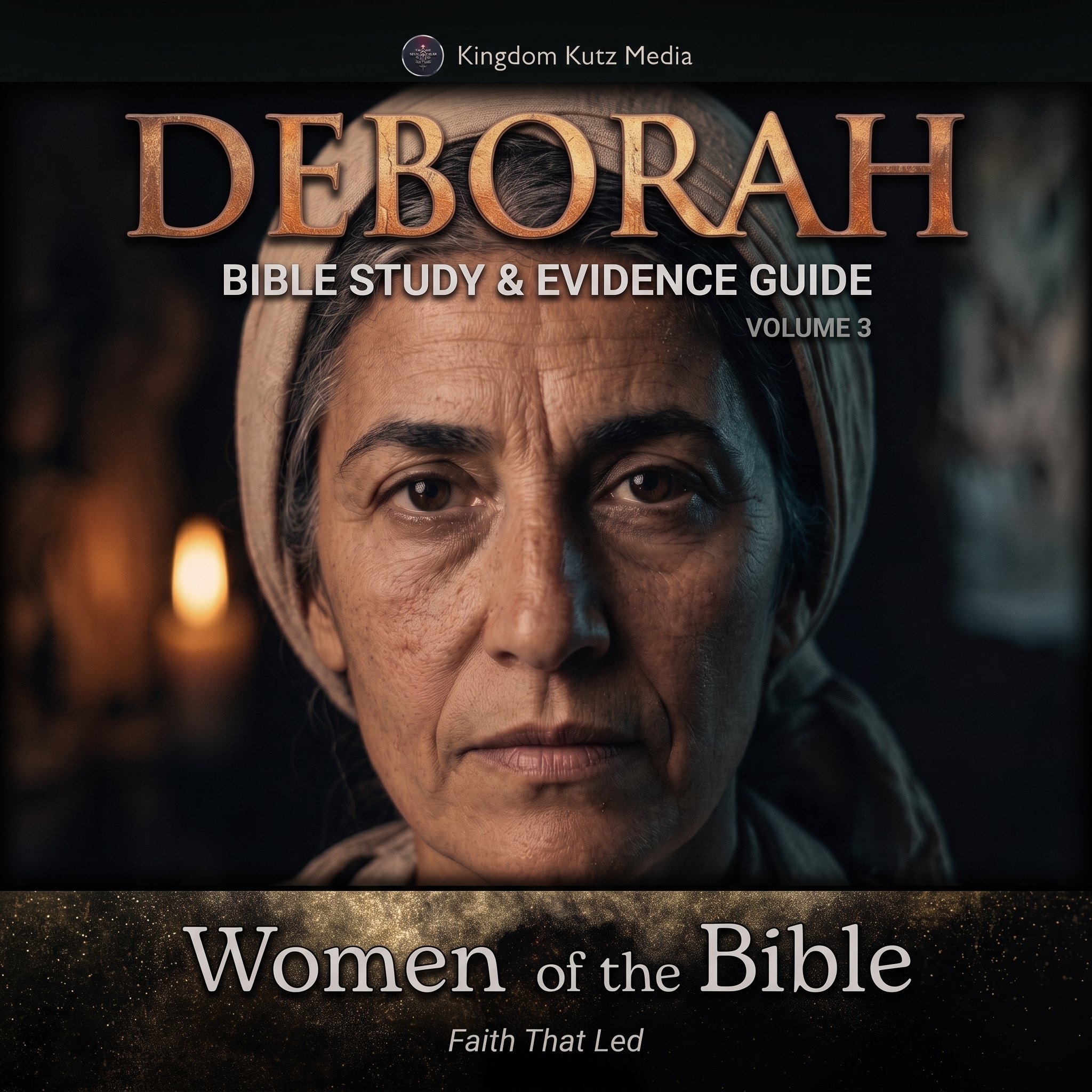
Deborah: Faith That Led
30 pages of real archaeology, Hebrew word study, a 7-day reading plan, and reflection on Deborah's story in Judges 4 and 5.
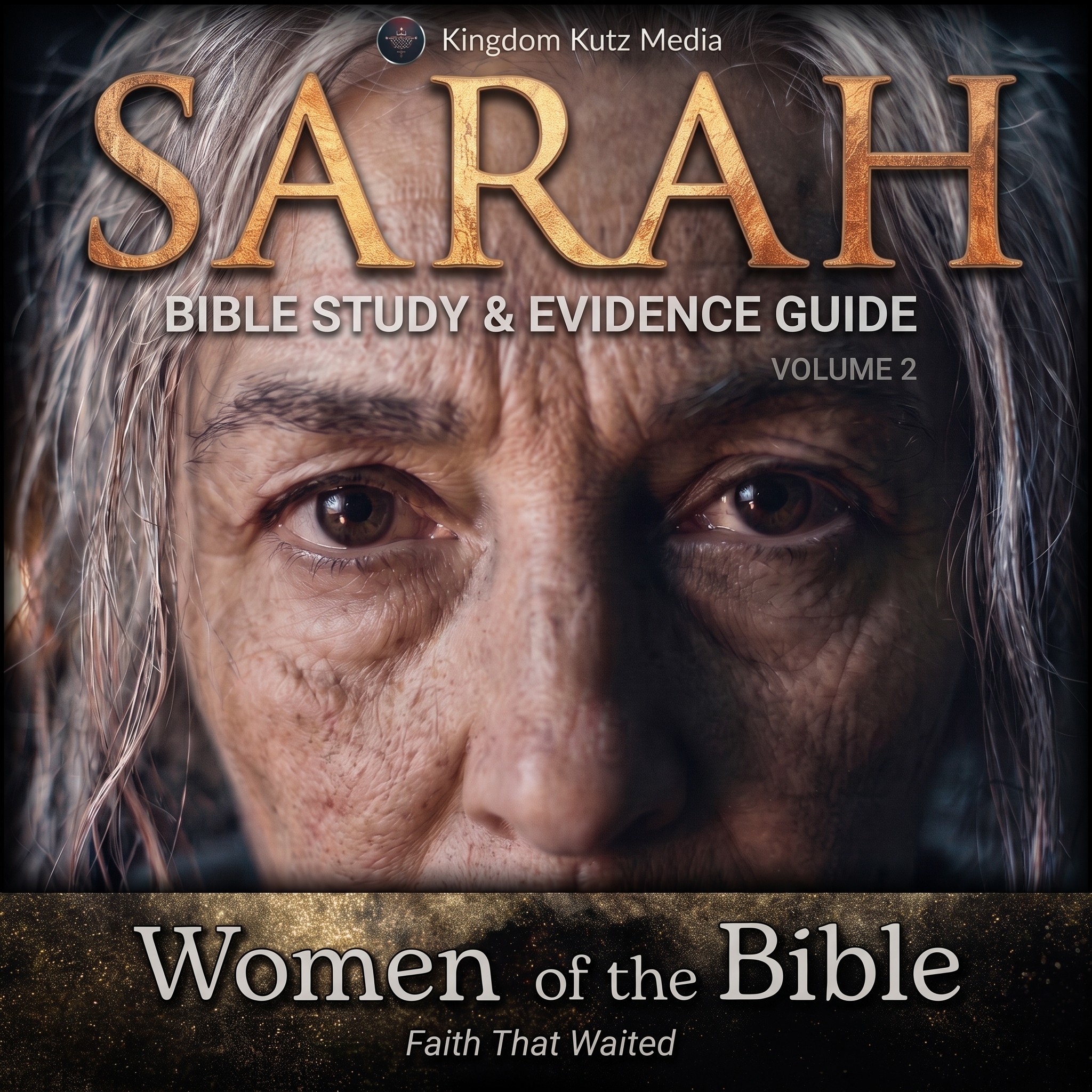
Sarah: Faith That Waited
29 pages of real archaeology, Hebrew word study, a 7-day reading plan, and reflection on Sarah's story in Genesis.
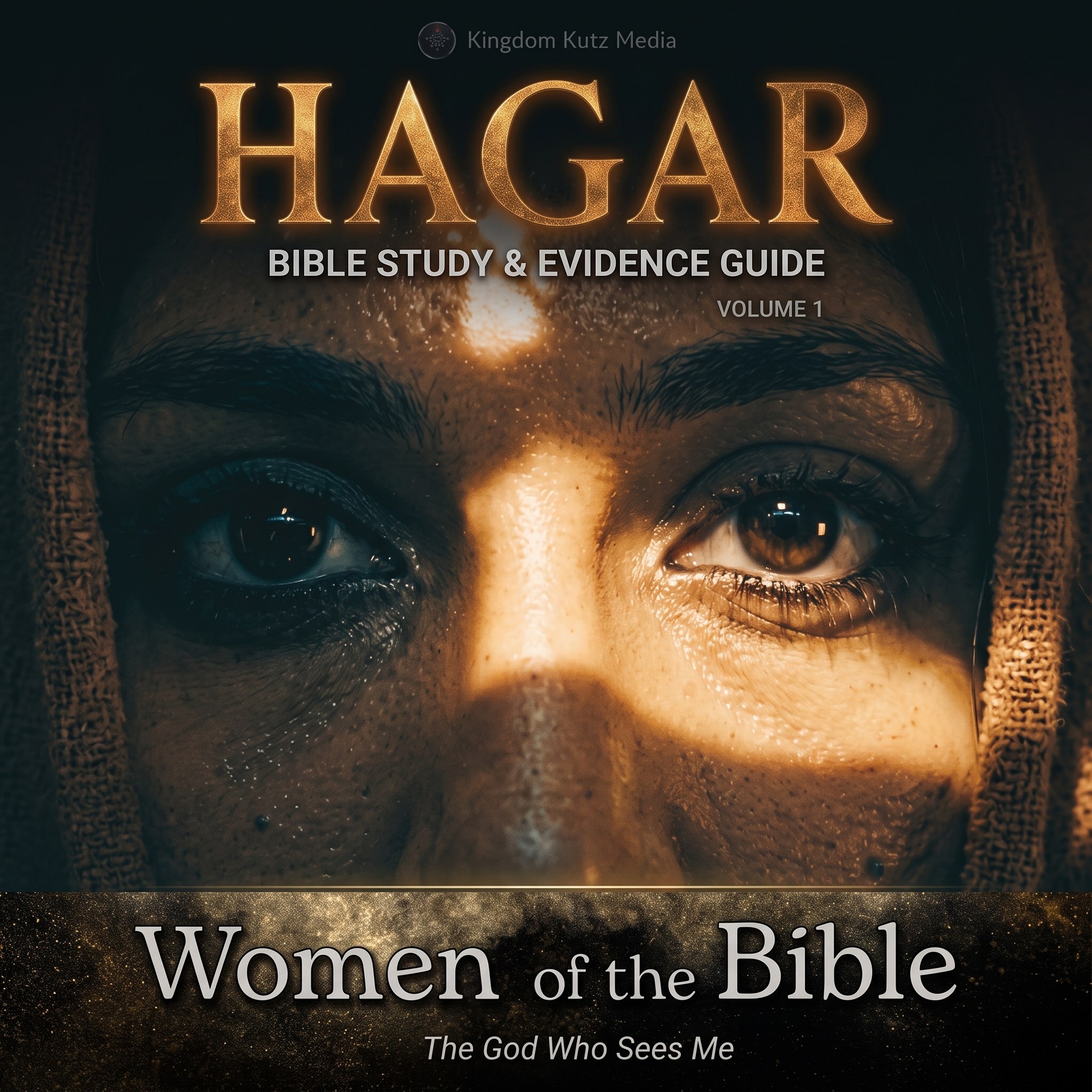
Hagar: The God Who Sees Me
25 pages of real archaeology, Hebrew word study, and reflection on Hagar's story in Genesis.
🙏 Pray With Us
Lord, for everyone searching tonight to know if your word can be trusted, quiet their doubts and meet them in the pages of scripture. Let them find you there, not just facts about you.

The Book of Enoch: What Genesis Isn't Telling You About the Watchers ft @WhatTheBibleSaysaboutkkm
▶ Watch NowSources
Popular right now: Why Does the Bible Say Not to Eat Pork?
Support Our Mission
If these stories strengthen your faith, help us keep making them, every gift goes directly into producing more Bible stories, evidence, and prophecy content.
❤ Support Our WorkMore from Kingdom Kutz Media: All news · Daily Bible Verse · Our YouTube channel
Comments
Loading comments...